


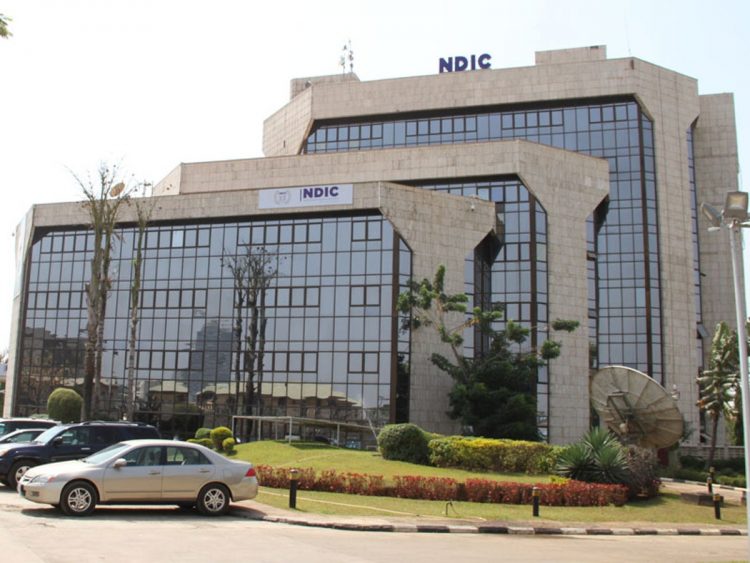
Over 98 per cent of depositors, representing more than 281 million accounts across insured institutions, are fully covered by the NDIC’s deposit insurance scheme, Nigeria Deposit Insurance Corporation (NDIC), Managing Director/CEO, Thompson Oludare Sunday, has said.
He spoke yesterday in Lagos at the at the retreat for members of the House Of Representatives Committee on Insurance and Acturial Matters on the theme: “Strengthening the Financial Safety Net in an Era of Banking Sector Recapitalisation and Fintech Innovation”.
He said the increasing digitisation of financial services has heightened exposure to cyber threats, fraud, data breaches, and operational risks.
The NDIC chief said that with banks’ adoption of emerging technologies, regulators and safety-net participants must remain proactive in identifying and mitigating these risks while encouraging innovation.
“Striking the right balance between innovation, consumer protection, and financial stability remains a key policy imperative,” he stated. Sunday also highlighted the rapid growth of financial technology (fintech) which has revolutionised the way financial services are delivered.
“Digital banking platforms, mobile money services, payment solution providers, and other fintech innovations have expanded access to financial services and accelerated progress toward financial inclusion. Millions of previously unbanked and underserved Nigerians now have access to formal financial services through digital channels,” he said.
He said that as the banking industry adjusts to higher capital requirements and technological innovations reshape financial service delivery, adding that its imperativefor banks to reinforce rules that safeguard financial stability and protect depositors’ funds.
According to him, a strong and well-coordinated financial safety net system is necessary for maintaining stability and resilience in any modern financial system.
“It promotes public confidence, protects depositors, supports orderly resolution of distressed financial institutions, and helps prevent systemic crises. At a time when Nigeria is pursuing ambitious economic growth objectives, including the goal of attaining a one trillion-dollar economy in 2030, a robust and credible financial safety net is essential to maintaining depositors’ and investors’ confidence and enhancing financial system resilience,” he said
He said the recently concluded banking sector recapitalisation programme represents a significant milestone in strengthening the capacity of Nigerian banks to support economic development.
“Well-capitalised banks are better positioned to absorb shocks, finance large-scale investments, support enterprise growth, and withstand periods of economic uncertainty. However, while recapitalisation enhances the resilience of financial institutions, it must be complemented by effective regulation, sound governance practices, strong risk management frameworks and good compliance culture, all attribute of a reliable financial safety net,” he said.
He said the stability of the financial system depends largely on the trust that depositors and investors place in financial institutions.
“History has shown that where confidence is low, distress can spread rapidly, threatening the stability of, not only the financial system but the wider economy. It is, therefore, essential that institutions responsible for financial stability continue to strengthen measures that preserve and enhance public trust.
Across the globe, financial systems are being reshaped by rapid technological advancement, digital financial services, artificial intelligence, cybersecurity risks, and changing customer expectations. At the same time, Nigeria is undertaking one of the most significant banking recapitalisation exercises in its recent history, requiring banks to strengthen their capital base while remaining innovative, resilient and competitive.
These developments present enormous opportunities for economic growth, financial inclusion and innovation. However, they also introduce new categories of systemic risks that require stronger institutions, modern regulatory frameworks, and robust financial safety nets capable of maintaining public confidence under all circumstances.
Today, Nigeria’s banking industry continues to occupy a central position in our economy with banking sector assets running into several trillions of naira and serving tens of million of depositors across conventional banking channels and rapidly expanding digita platforms. Likewise, Nigeria’s fintech ecosystem has become one of the largest in Afric attracting substantial investment and processing billions of electronic payment transactio